
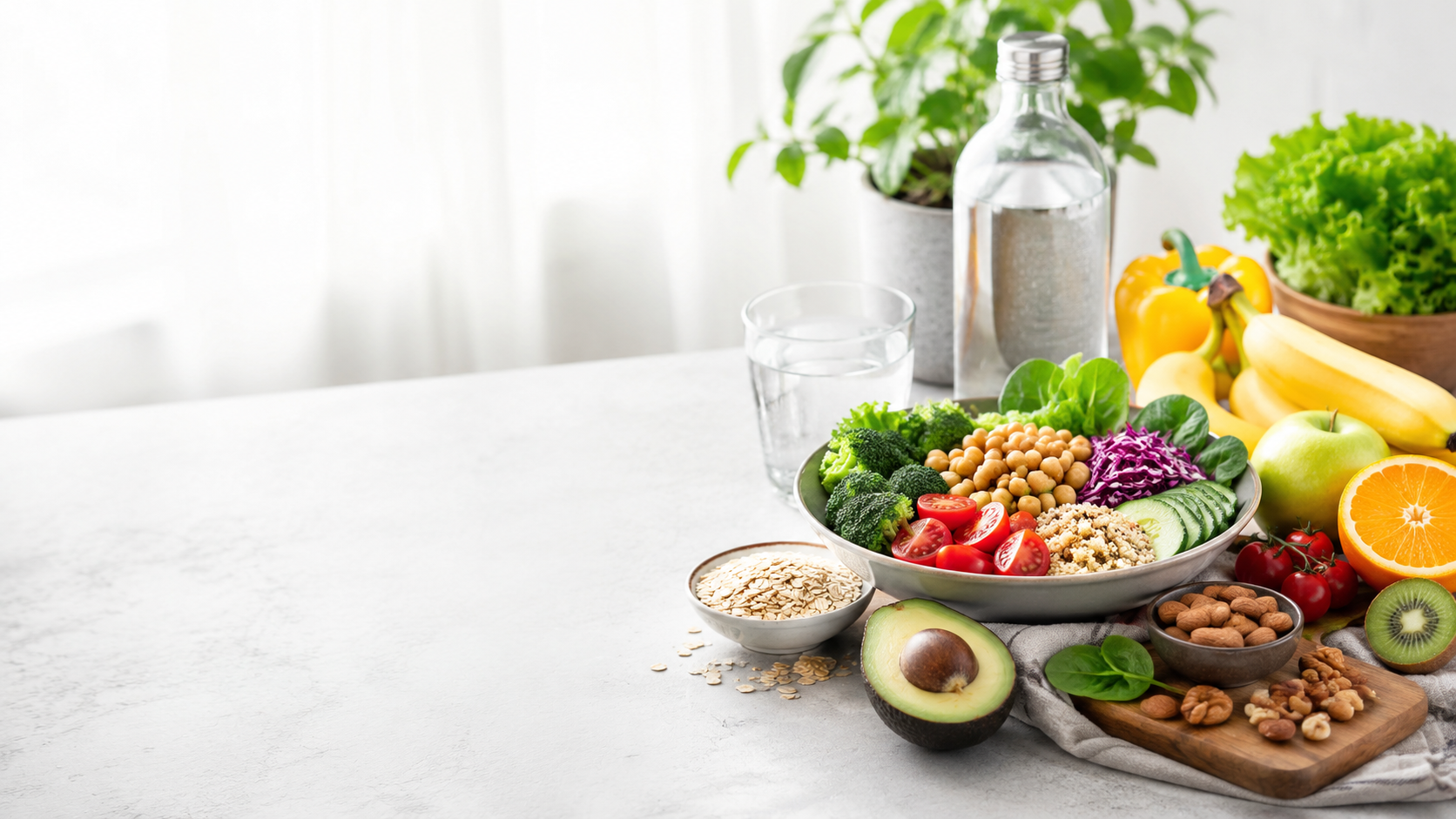
Health and diet are two of the most important parts of a balanced lifestyle. What you eat every day affects your energy, weight, digestion, mood, immune system, and long-term wellness. A healthy diet does not mean eating less, skipping meals, or following extreme food rules. It means choosing the right foods in the right balance so your body gets the nutrients it needs.
According to global health guidance, a healthy diet should include fruits, vegetables, whole grains, healthy fats, and good protein sources while limiting excess sugar, salt, saturated fats, and highly processed foods. The World Health Organization recommends that adults and older children eat at least 400 grams of fruits and vegetables daily, while the CDC notes that healthy eating patterns may lower the risk of serious health problems such as heart disease, type 2 diabetes, and obesity.
Why Health and Diet Matter
A balanced diet supports almost every system in the body. It gives you steady energy, helps maintain a healthy weight, supports the heart, improves digestion, and provides important vitamins and minerals. Healthy eating is also closely linked with better long-term health because food choices can influence blood pressure, cholesterol levels, blood sugar balance, and inflammation.
The goal is not perfection. The goal is consistency. Small daily choices, such as drinking more water, eating more vegetables, replacing refined grains with whole grains, and reducing sugary drinks, can create meaningful health improvements over time.
What Is a Healthy Diet?
A healthy diet is a way of eating that gives your body enough nutrients without too much added sugar, unhealthy fat, or excess salt. A simple method is to build your plate with mostly vegetables and fruits, add whole grains, include a quality protein source, and use healthy fats in moderation.
Harvard’s Healthy Eating Plate recommends filling half your plate with vegetables and fruits, one-quarter with whole grains, and one-quarter with healthy protein. It also encourages drinking water instead of sugary beverages and choosing healthy oils in moderate amounts.
Best Foods for a Healthy Diet
The best diet for health includes a variety of natural and nutrient-rich foods. These foods help your body function better and keep you full for longer.
Vegetables such as spinach, broccoli, carrots, cucumber, peppers, cabbage, and leafy greens are excellent for vitamins, minerals, and fiber. Fruits such as apples, bananas, berries, oranges, and grapes provide natural sweetness, antioxidants, and important nutrients.
Whole grains such as oats, brown rice, whole wheat bread, quinoa, and barley are better choices than refined grains because they contain more fiber and nutrients. Harvard’s nutrition guidance encourages choosing whole grains and limiting refined grains because refined grains can affect blood sugar and may make weight control harder over time.
Healthy protein foods include eggs, fish, chicken, beans, lentils, nuts, seeds, yogurt, tofu, and lean meats. The CDC lists protein options such as seafood, poultry, eggs, legumes, nuts, seeds, and soy as part of a healthy eating pattern.
Healthy fats can come from foods like avocado, olive oil, nuts, seeds, and fatty fish. These fats are better choices than trans fats and too much saturated fat.
Foods to Limit for Better Health
A healthy diet does not require removing every enjoyable food. However, some foods should be limited because they can harm health when eaten too often.
Try to reduce sugary drinks, sweets, packaged snacks, fried foods, processed meats, excess salt, and highly processed foods. These foods are often high in calories but low in important nutrients. Eating them regularly can make it harder to manage weight and maintain good energy.
The NHS also recommends eating at least five portions of a variety of fruits and vegetables daily and explains that fruit and vegetables can be fresh, frozen, canned, dried, or juiced.
Simple Diet Tips for Weight Management
For healthy weight management, focus on food quality and portion control instead of crash dieting. Extreme diets may give quick results, but they are often difficult to maintain.
Start by eating more high-fiber foods such as vegetables, fruits, beans, and whole grains. Fiber helps you feel full and supports digestion. Add protein to each meal because protein supports muscle health and helps control hunger. Drink enough water throughout the day, especially before choosing snacks, because thirst can sometimes feel like hunger.
Avoid skipping meals if it leads to overeating later. Instead, choose balanced meals with vegetables, protein, and whole grains. Also, try to eat slowly. When you eat too fast, it becomes easier to overeat before your body signals fullness.
Easy Healthy Meal Ideas
A healthy diet can be simple and affordable. For breakfast, you can eat oatmeal with fruit, eggs with whole grain toast, Greek yogurt with berries, or a smoothie with banana, spinach, and protein.
For lunch, try grilled chicken with brown rice and vegetables, lentil soup with salad, tuna with whole grain bread, or a bowl with beans, vegetables, and avocado.
For dinner, choose fish with vegetables, chicken with quinoa, vegetable curry with brown rice, or stir-fried vegetables with tofu. Healthy snacks can include fruit, nuts, yogurt, boiled eggs, carrots, or hummus.
Healthy Diet Habits That Actually Work
The best diet is one you can follow consistently. Instead of changing everything in one day, begin with small habits. Add one extra serving of vegetables daily. Replace soda with water. Choose whole grain bread instead of white bread. Prepare meals at home more often. Keep healthy snacks nearby so you are less likely to choose junk food when hungry.
Good nutrition should also match your lifestyle, culture, budget, and personal preferences. The CDC notes that healthy eating patterns can include foods and beverages that reflect personal preferences and budget considerations.
Final Thoughts
Health and diet are not about strict rules or short-term results. They are about building a better relationship with food and giving your body what it needs to feel strong, active, and healthy. A balanced diet with fruits, vegetables, whole grains, healthy protein, and good fats can support weight control, better energy, digestion, and long-term wellness.
Start small, stay consistent, and choose foods that help your body perform at its best.
FAQs About Health and Diet
What is the best diet for good health?
The best diet for good health is a balanced diet that includes vegetables, fruits, whole grains, healthy proteins, and healthy fats while limiting added sugar, excess salt, and highly processed foods.
Can a healthy diet help with weight loss?
Yes, a healthy diet can support weight loss when combined with portion control, regular activity, enough sleep, and consistency.
How many fruits and vegetables should I eat daily?
Adults and older children should aim for at least 400 grams of fruits and vegetables daily, according to WHO guidance.
Is dieting necessary for a healthy lifestyle?
Strict dieting is not always necessary. A healthy lifestyle is more about balanced eating habits, regular movement, enough water, proper sleep, and consistency.
What foods should I avoid for better health?
Try to limit sugary drinks, fried foods, processed snacks, refined grains, excess salt, and foods high in added sugar or unhealthy fats.